

Photographer, Beijing Native Xu Guanyu explores personal themes to public acclaim
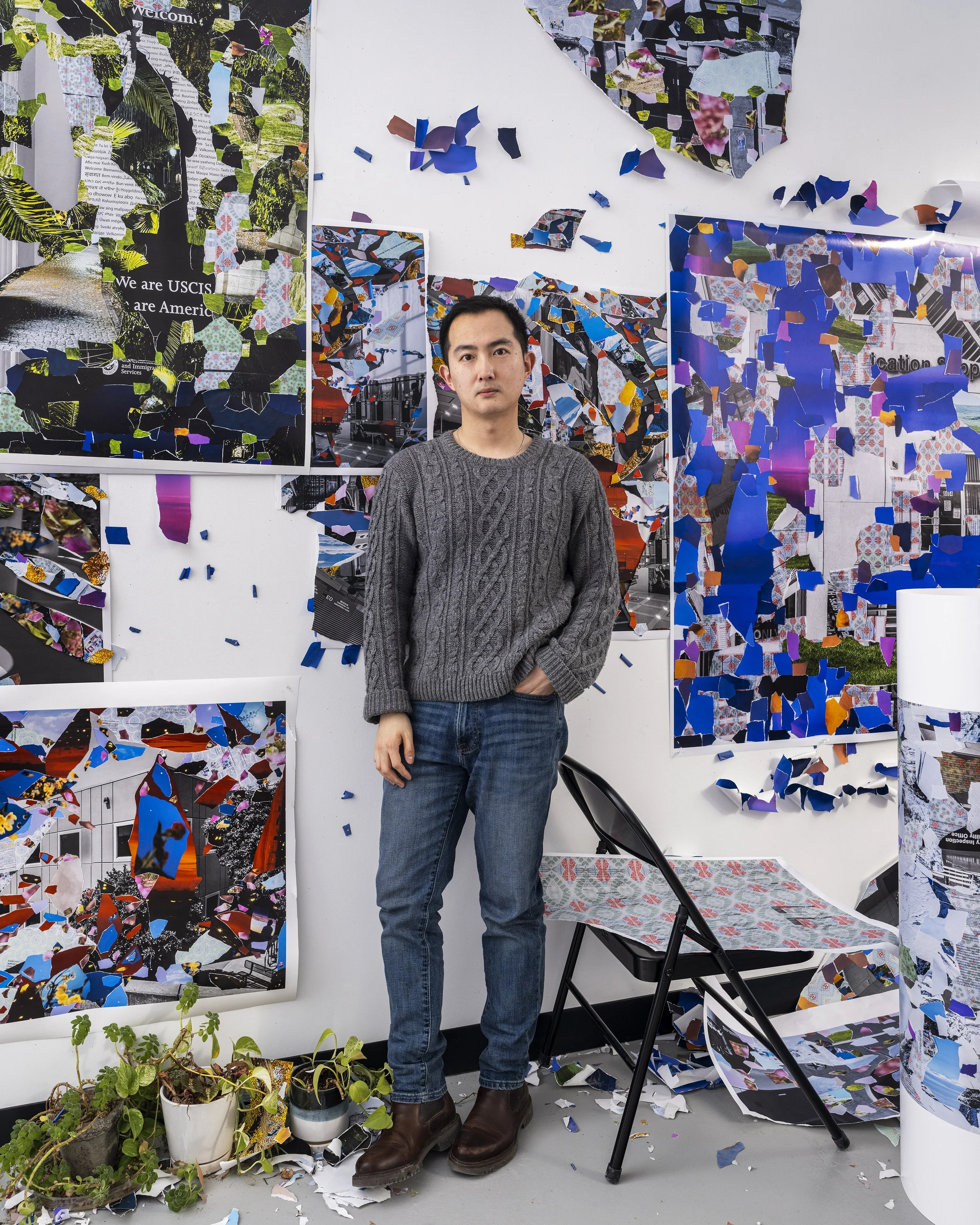
攝影師徐冠宇
圖片來源:受訪者提供
Photographer Guanyu Xu began his subversive artistic intervention surreptitiously.
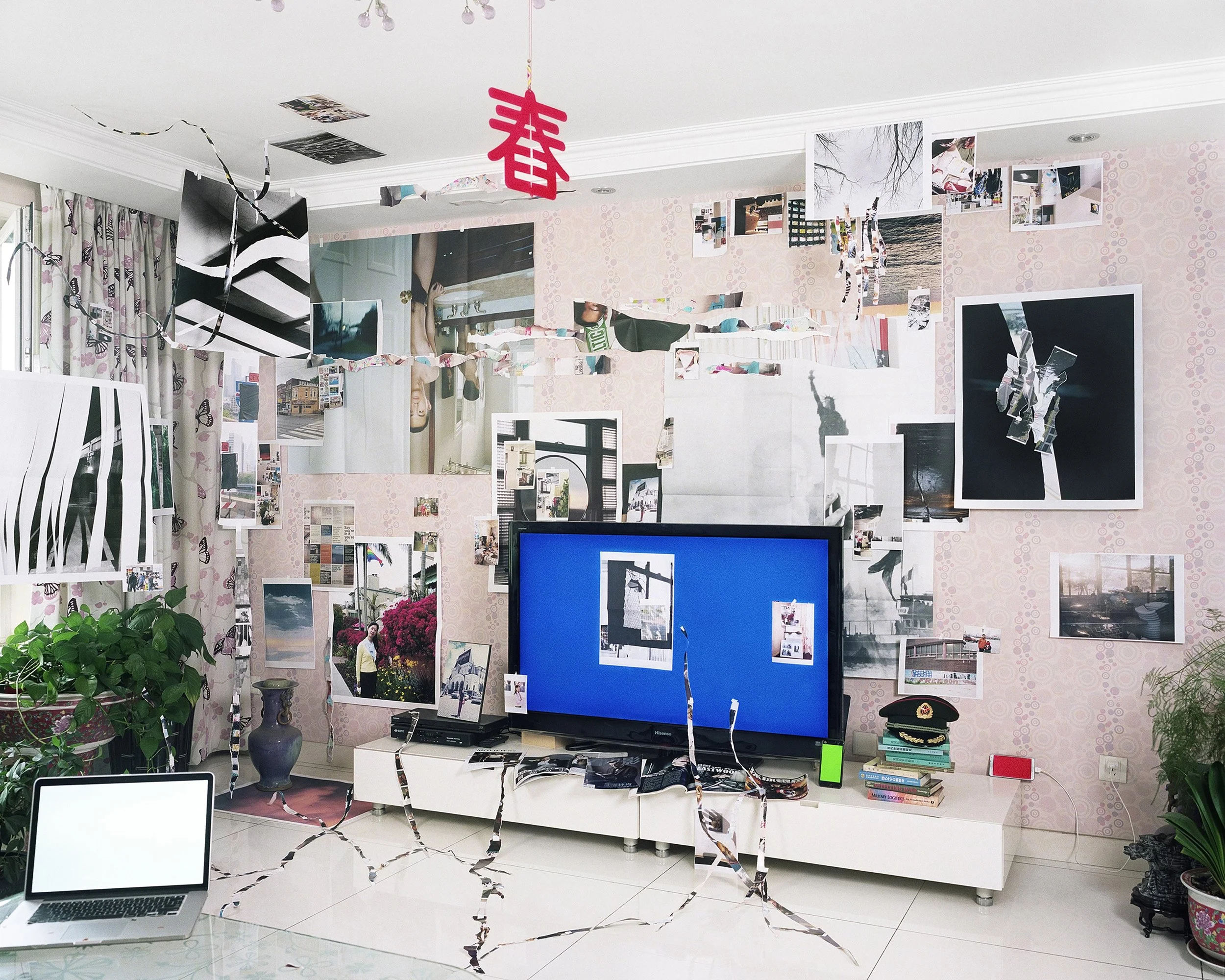
While his parents were at work away from their apartment in a People’s Liberation Army compound in Beijing, Xu would deck out the rooms with portraits – some intimate, others erotic – to claim the space and come out as a gay man, however furtively and fleetingly.
“This project has to be a secret,” Xu said in a recent interview with Chinatown Spotlight in his studio in Pilsen of The Dining Room, one of the elaborately staged shots now on view at the Museum of Contemporary Art in a group show that highlights queer art and activism in the city. That’s because he has yet to come clean to them about his homosexuality.
The work shows a portrait of Xu holding hands with a man at his dining-room table in Los Angeles hung inside his parents’ well-adorned home, complete with a statement chandelier and floral-patterned wallpaper.
“Through positioning and layering images, I aim to juxtapose, contradict, and collapse space and time, disrupting my teenage home. It bridges the relationship between personal and political in the context of both China and the U.S.,” said Xu in an interview in 2019, a few months after his graduation show at the School of the Art Institute of Chicago (SAIC). “Even though these installations were not permanent, I reclaimed my home in Beijing as a queer space of freedom and temporary protest.”
For Xu, 33, the tug-of-war between repression and representation has been a constant in his life -- long before he came into his own as an artist.
As a teenager, Xu immersed himself in American visual culture and stashed away torn pages from film and fashion magazines depicting mostly masculine white men. He enrolled in Beijing Film Academy to study photography but found the curriculum on U.S. genre film intellectually wanting. So after two years, the Beijing native made the life-changing decision in 2014 to transfer to SAIC to complete his undergraduate coursework and graduate with a master’s degree in fine arts. Over his five years of studies there, he gained a critical understanding of photography as a medium and foundational knowledge of the politics of image, film, and identity.
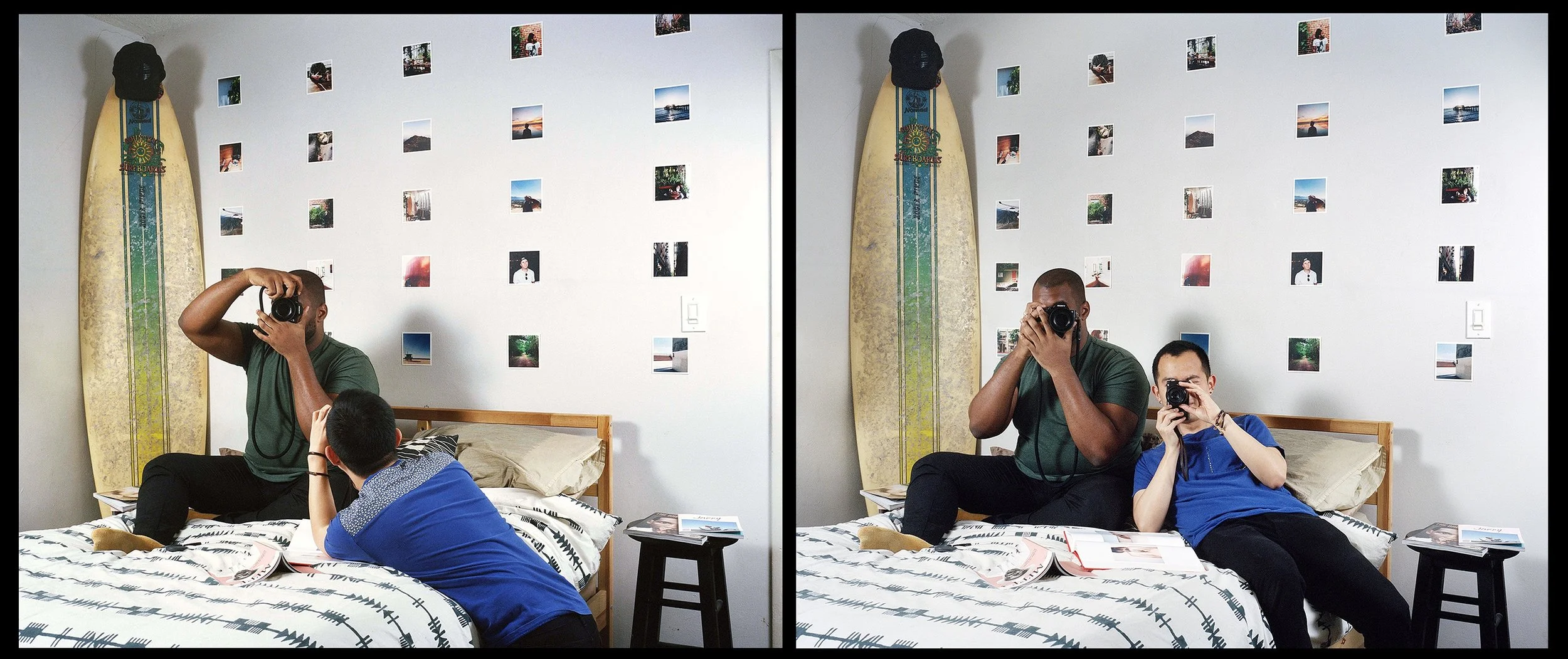
Xu wasted no time to apply his newfound understanding to his art. In One Land To Another, his maiden project as an undergraduate, he staged and performed with other gay men for the camera. In his art, Xu challenges not only his viewers -- but more importantly himself. For one of his first few locally-made images, Sea (Lake Michigan), he confronted his internalized homophobia by lying prone – and naked, save his Christmas red cotton socks – on a block of shelf ice on the lakeshore.
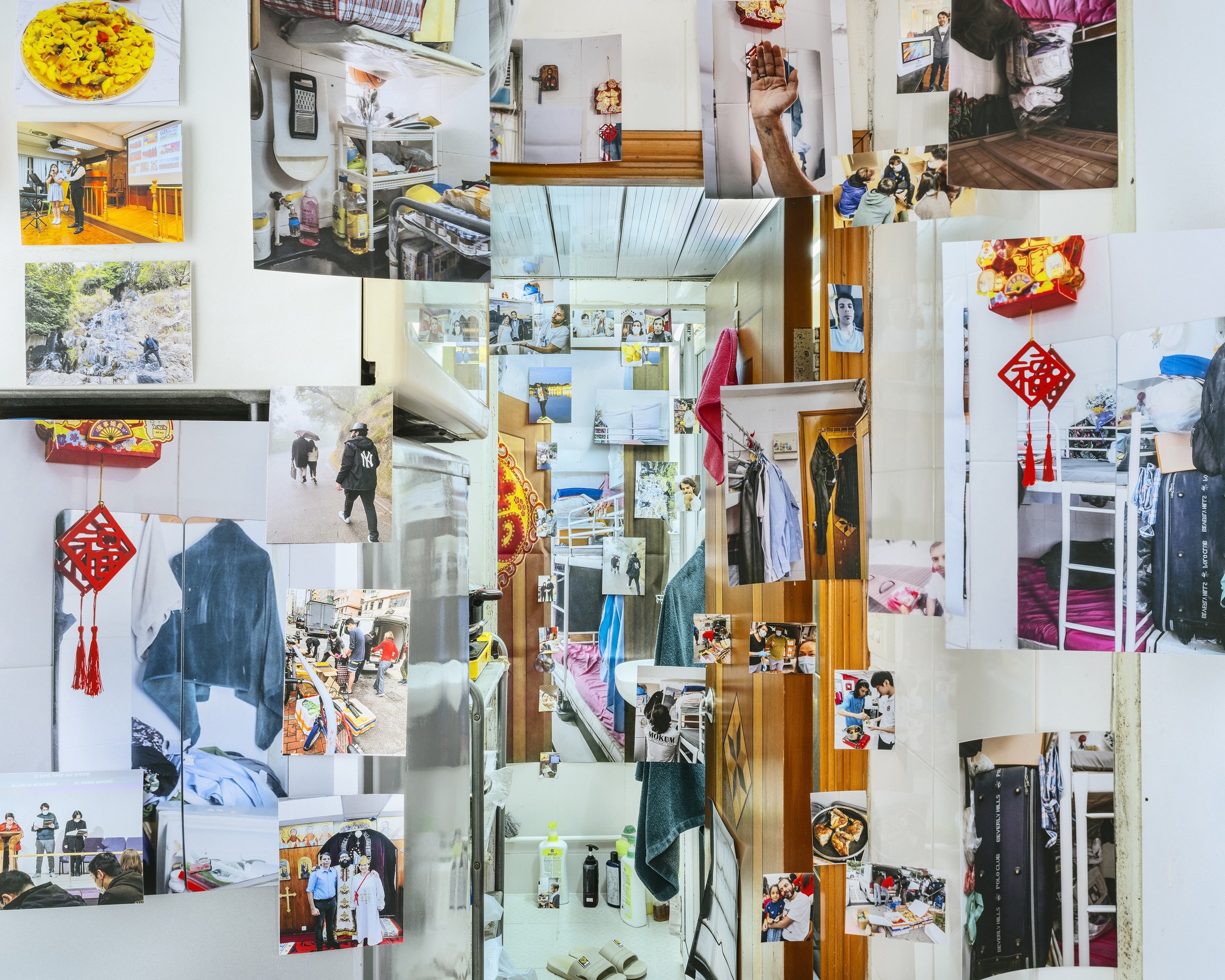
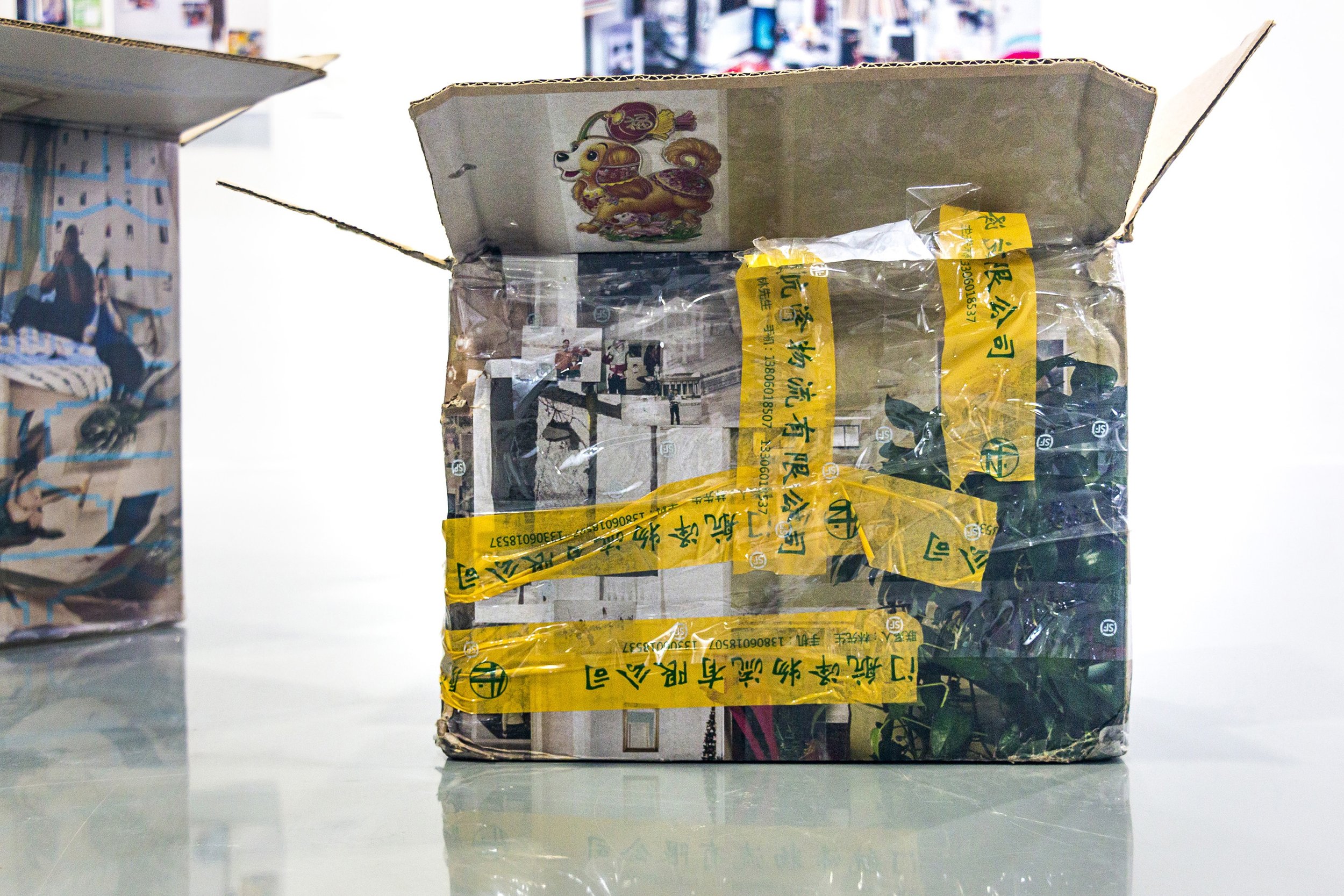
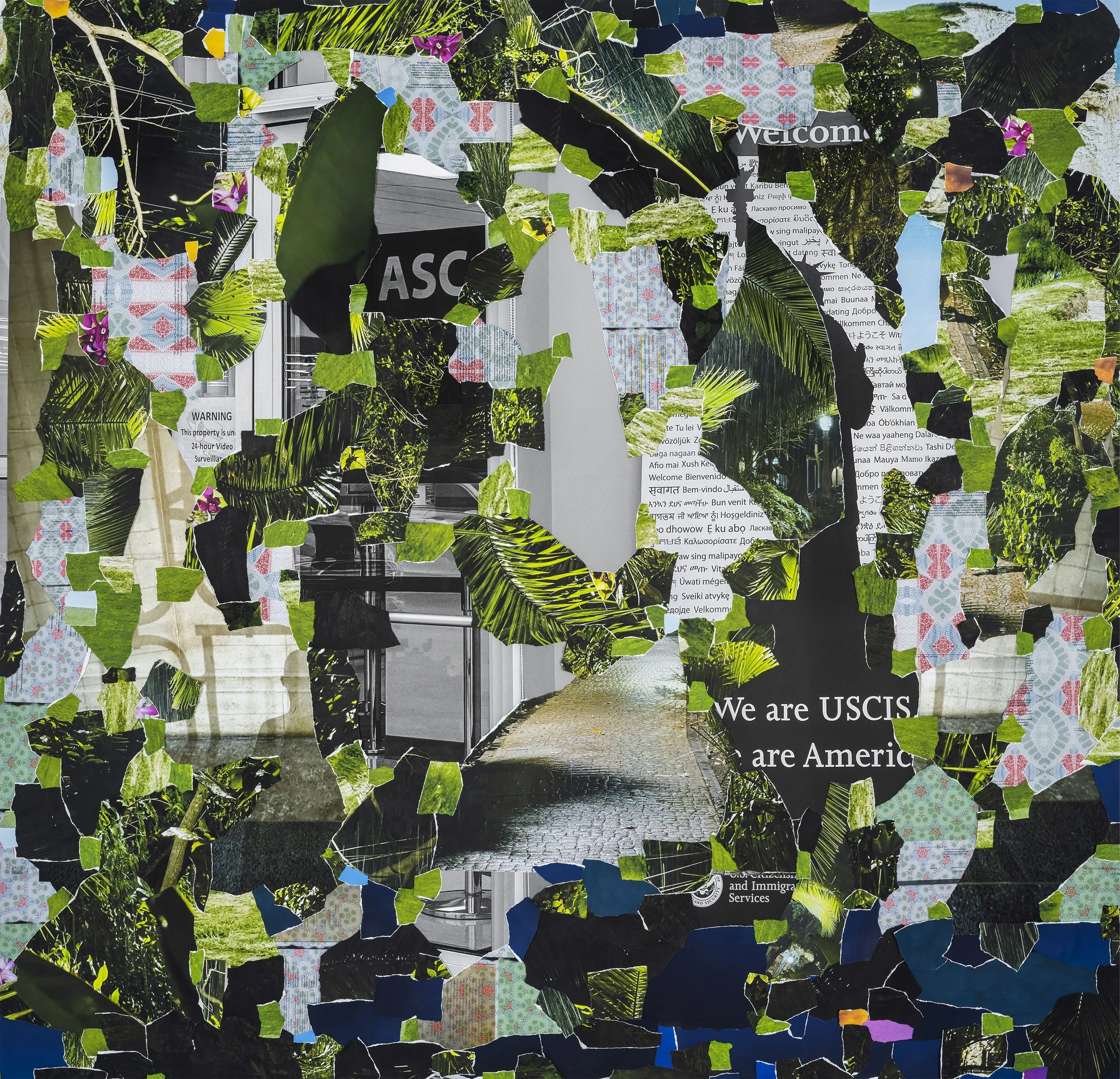
And for his ongoing Resident Aliens series, Xu would meet with his subjects – all fellow Chinese emigres to Chicago, Canada, Croatia, India, Sweden, whom he calls “his collaborators” – to take stock of their immigrant experiences and gather snapshots that tell the story of their lives. Xu then arranges the curated snapshots in the subjects’ homes, turning them into a three-dimensional collage, and shoots the photography installation.
In some cases, Xu would blow up the images into life-sized duplicates that hang floor to ceiling. Some of his subjects, Xu said, were surprised by how much the installation transforms how they feel about their abode.
Xu gave each of the pieces an alphanumeric string composed of the subjects’ initials and arrival date as well as the date when the photograph was taken, mimicking the case numbers assigned by the U.S. immigration bureaucracy.
Even while Xu’s works have been touring worldwide, they aren’t above scrutiny in his native country. In 2020, government censors in Shanghai booted him from a group show there. And when pieces from Resident Aliens were exhibited in 2024 at the UCCA Center for Contemporary Art in Beijing’s 789 Art Zone, Xu was asked to translate the Arabic script that appears in one of the pieces in case authorities demanded an explanation.
This spring, Xu received a Guggenheim Fellowship, a national recognition for both his prior career achievement and exceptional promise.
Much as Xu has thrived in the artistic and personal freedoms in his adopted country, he is adamant his photography not be viewed solely from the lens of identity politics.
In an interview with a photography curator at Harvard Art Museums, which in 2022 acquired Worlds Within Worlds from the Temporarily Censored Home (2018-2019) series, Xu said: “[But] I always need to emphasize that the work is not just about being a closeted Chinese gay person!”
Xu’s works are part of City in a Garden: Queer Art and Activism in Chicago, an exhibition at Museum of Contemporary Art closing August 16.
By Violet Law and Abigail Rampone